
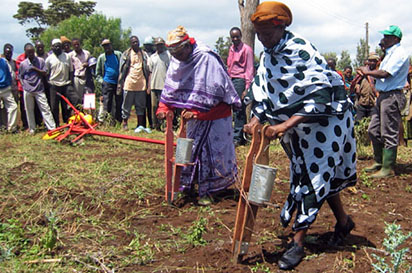
To familiarise students with the types of farm equipment and structures and their role in the crop production

Category: Agriculture
To familiarise students with the types of farm equipment and structures and their role in the crop production

Welcome to the Biomolecules and Enzymology Module
Welcome to Biomolecules and Enzymology! This module will guide you through the fascinating world of biomolecules, their structures, functions, and the vital role enzymes play in biological processes.
This year, the module will be taught by Prof. P. Dludla and Dr. N. Hlengwa, who are committed to providing a comprehensive and engaging learning experience. Should you need assistance or have any queries, we can be found in Office 248, Science Building, within the Department of Biochemistry and Microbiology.
We look forward to an exciting and productive semester ahead!

🌟 Welcome to the Metabolic Regulation! 🌟
Greetings, Trailblazers of Metabolism,
Step into the dynamic realm where molecules dance to the rhythm of life – welcome to our Metabolic Regulation Moodle Page! 🚀
Here, we embark on a thrilling journey through the intricacies of metabolic pathways, where enzymes are the conductors and molecules are the instruments, playing the symphony of life. 🎶
Uncover the mysteries behind energy production, discover the secrets of signal transduction, and navigate the pathways that govern the delicate balance of metabolic harmony. Our Moodle page is your passport to a world where cells are the maestros orchestrating the ballet of biochemical reactions.
🔬 What to expect on this exciting expedition:
So, buckle up and get ready to explore the intricacies of metabolic regulation. Whether you're a seasoned biochemist or a curious novice, there's something for everyone in our virtual laboratory.
Let the metabolic adventure begin! 🌌💡
Best regards,
Dr Nokulunga Hlengwa

Bioflocculation Project
The purpose of this course is to provide the beginning engineering student with an insight into how computers work. This will be done in two stages. Firstly, we will explore the underlying components of a computer and the way they carry out processes and instructions then look at using programming code to instruct a computer. Emphasis will be put on the application of computer programming not only in success stories in the software industry but also in familiar scenarios in business as well as engineering. Students will learn algorithmic problem-solving, coding, and debugging techniques. Students will write programs to solve simple problems drawn from a wide range of disciplines, primarily in the sciences and business. Zero computing background is assumed.
This course introduces the student to man's physical environment i.e. earth’s landform and atmospheric processes and environmental management. It provides the skills and knowledge to understand the global patterns and the natural processes involved in the landforms formation and the analysis of air temperature, atmospheric moisture and precipitation, wind and global circulation and weather systems. The course also introduces students to major environmental issues confronting the society.
Earth science is an all-embracing term for the sciences related to the planet Earth . Earth science generally recognizes four spheres, the lithosphere, the hydrosphere, the atmosphere, and the biosphere these correspond to rocks, water, air, and life.
Atmospheric science is one of the fields of the Earth Science. It covers the gaseous parts of the Earth (or atmosphere) between the surface and the exosphere (about 1000 km). Major sub disciplines are meteorology, climatology, atmospheric chemistry and atmospheric physics. This module introduces students to the basics of atmospheric science by covering aspects such as air temperature, atmospheric moisture and precipitation and weather systems.
Environmental management is about responses to environmental problems by society and about the mechanisms that are used by organizations, local, provincial and national governments to prevent, combat, control and reduce impacts made by human activities on the environment. Governments and international organizations set frameworks and then individual organizations have to determine strategies in order to comply with legislative controls and codes of practice.
Environmental
Management is the application of scientific and management principles to the
process of change. It involves the examination of environmental problems and
leads to the production of appropriate policies and proposals which are based
on sound understanding and can be translated into action.
This course introduces students to the core principles and practical applications of Geographic Information Systems (GIS) using ArcGIS Pro, the leading desktop GIS platform. Students will gain hands-on experience in managing spatial data, creating advanced 2D, 3D, and 4D visualisations, and performing spatial analyses relevant to environmental and water-related fields. Emphasis is placed on GIS as a decision-support tool in hydrology and geography, with a focus on real-world problem-solving and data sharing across the ArcGIS ecosystem. The course combines theoretical concepts with practical exercises to build proficiency in using GIS for hydrological and spatial analysis.
Lecturer: Andrew Hall
email: halla@unizulu.ac.za
Welcome to the BSc undergraduate course in Surface Water Hydrology. The module is designed to create an understanding of the dynamics of river flow, and of probability theory as well as frequency analysis with reference to their application in surface water hydrology and hydrological modelling applications. The module is generally divided into two sections: (i) Stochastics, and (ii) Hydraulics. The course relies extensively on self-study and a resources package is supplied that gathers together relevant documents and course material that should be read and referred to in order for students to appreciate the issues involved in the dynamics of river flow, frequency analysis and the application of probability theory in hydrological modeling in South Africa, southern Africa and globally.
The purpose of Ethos and Professional Practice Module is to equip a first-year nursing student with knowledge, skills and attitude required to achieve an acceptable level of competence when dealing with general communities. Understanding and application of the ethics and practices of the nursing profession. In order to achieve competence, you are required to interrogate multiple sources including various stakeholders during your placement at the hospital and clinic settings. You are expected to take responsibility and accountability during your planning and decision making in your studies.
This module serves to enable learners to develop knowledge, attitudes and skills necessary to address health issue in nursing through application of relevant ethics and practices of nursing to identify, analyse apply and evaluate each community using ethical approaches. While being self-critical on your own shortfall and learning needs you will be equipped to use effectively relevant strategies to address your learning academic and professional learning needs in an on-going manner. Lifelong learning is the way to go because the current world system is too unpredictable and unstable which further affects stability of healthcare. Furthermore, as a first-year student nurse you will learn how to always conduct yourself professionally during and after working with patients and in the communities in general. You will further learn how to observe the rules and regulations that governs the nursing profession.
Welcome to the Fundamental of Nursing Science Part 1 and Part 2 module code: 4NFN110. The content of this module is delivered across both semesters 1 and 2. The module addresses basic human needs. The basic human needs are addressed through identifying the body's reaction to stimuli. As a first-year nursing student, you will learn how to diagnose the issues related to basic human needs and how to manage them. Thus, learning to provide for basic human needs in different situations or conditions. Since nursing is defined as science and art, the science aspect of your nursing care must be influenced by theory. Theory-based actions will increase your head knowledge about facts, principles and factors related to nursing care subject matter. The Art aspect of the nursing practice will introduce you to how nursing is practised (performed). Also, it will enhance, promote, and polish your performance of any nursing skill necessary when you are caring for patients, clients and their families. The fundamental of nursing is primarily aimed at the prevention of any deviation from normal body functioning which will further prevent the development of diseases and their complications. In other words, the Fundamentals of Nursing Science (FNS) focuses on the promotion of health as part of patients’ daily responsibilities of living.
The module is designed to equip you with the necessary skills that as a first-year nursing student you will be expected to provide to patients, clients, and families in clinical settings and elsewhere you find yourself having to deal with patients, clients and their families who have these needs. Furthermore, the module will enable you as a first-year nursing student to understand the basic health needs of patients about their cultural beliefs, emergencies and minor ailments about health promotion and prevention of ill health. The module will prepare you for second year General Nursing 1A and 1B which is done in the second year of the programme. However, please take note that you must pass both clinical and theory for semesters 1 and 2 and Fundamental of Nursing Modules to promote you in the second year of your studies.
Thank you for reading your letter.
Sincerely Yours,
Dr NSB Linda

The aim of this module is to use conventional drawing techniques to develop the skill of reading, interpreting and creating engineering drawings using drawing instruments and free hand sketches
Lecturer: Mr C Mundenguma
Email: mundengumac@unizulu.ac.za
Consultation: Room A2 - 36
LECTURE & TUTORIAL VENUE: ENGINEERING BUILDING BLOCK A
Introductory course to engineering design and a requirement to understand how engineers communicate effectively in the ever advancing technological world.
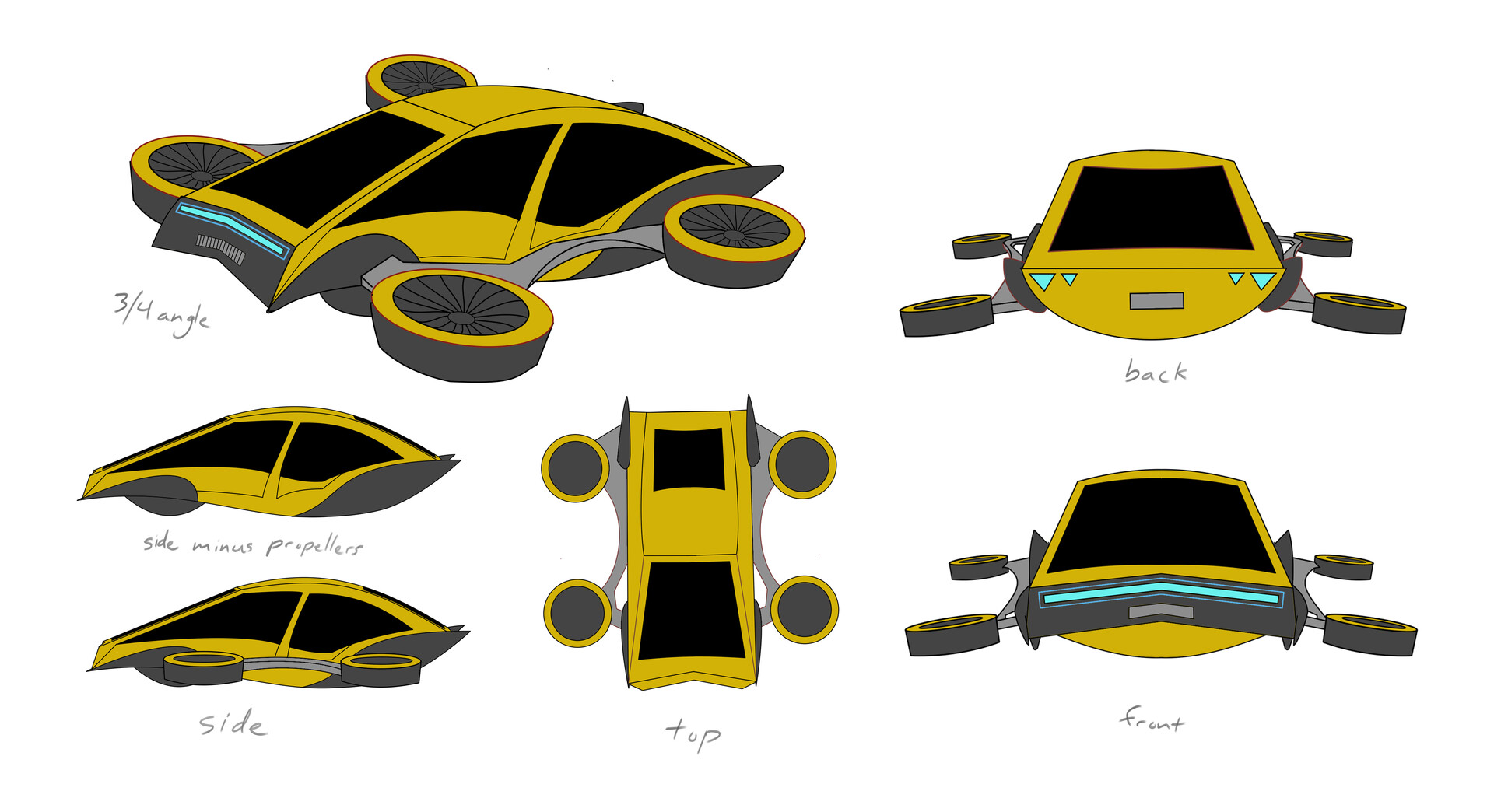
Every idea starts in the mind and scientists interprete in sketches which are perfected in engineering drawings computationally in AutoCAD 2D sketches.
Purpose of the Module
§ The aim of this module is to develop students with skills necessary for an appropriate design process, apply introductory project management principles, basic material science and manufacturing processes.
§ Develop skills to solve problems and analyze engineering data with use of 3D AutoCAD and MATLAB.
Module content
1. The engineering design fundamentals
2. Mechanical assembly drawing: Limits, fits and tolerance (standard SANS 10111)
3. Introduction to strengths of materials for mechanical elements: Characteristics, properties and applications of engineering materials
4. Basic manufacturing processes: primary and secondary
5. Software tools for problem solving and engineering analysis
a. Introduction to Autodesk Inventor
b. Basic programming and analysis in MATLAB
In dry countries as South Africa rural economic and environmental benefits depend on ecosystems. Rural areas rely on wetlands since they provide moist, nutrient-rich soil for food production and grazing. These traditional livelihood-security and production chains are degraded due to non-sustainable land use and global change, and wetland degradation actually accelerates climate change. This trend can be mitigated by restoration of degraded wetlands and construction of new wetlands, but also by introduction of innovative environmentally friendly solutions such as wetland farming.
The project WetEcon aims at the investigation of economic and environmental benefits which can be provided by wetlands. The overall economic benefits are still underappreciated because their economic quantification is complicated. The reason is the lack of market prices both for wetland agriculture and for non-market ecosystem services. The objective of the project is to investigate the economic and environmental benefits of restored and constructed wetlands. This is essential for African regions facing substantial problems regarding food, energy and water supply. The project outcomes will also provide benefits for developed countries, inclusive Germany and other EU member states.
WetEcon has a bi-modular structure to achieve ambitious objectives: Module 1 (Research) comprises the experimental testing and proof of broad bio-economic benefits of restored and constructed wetlands will be carried out, while Module 2 (Postgraduate training and continuing training) addresses this innovative topic in higher education of the participating universities and research institutes by means of newly developed courses and training, participation of students in research and utilisation of the research findings in short and medium term.
 This course on groundwater modeling is specifically designed for participants in the fields of hydrology. Only a basic knowledge of groundwater terms is required for participation. Hands-on modeling experience with PCs will serve to introduce the necessary concepts and theory.
After intensive modeling instructions participants will have a basic knowledge of groundwater models, enabling them to begin to evaluate situations by using models, to discuss modeling needs with other professionals, to begin to evaluate modeling efforts of others, and to understand the importance of both the data necessary for the production of a viable assessment and the correct choice of a model for specific situations.
The module introduces science students majoring with BSc Geography and other students who elected the module to the occurrence and movement of energy and water vapour fluxes in the atmosphere and on the land surface, develops quantitative approaches for the measurement of the surface energy fluxes and evapotranspiration using various hydrometeorological methods, and discusses the measurement and processing of data sets necessary for hydrologic modelling.
We propose to communicate clearly and frequently with PhD graduate students for two reasons:
The greatest problem in communication is the illusion it has been achieved.
—George Bernard Shaw
The Faculty of Science and Agriculture held a virtual orientation for postgraduate students on returning to campus during the COVID-19 pandemic. The orientation was to equip students with much-needed guidance on the support that is available to them from the university and at the faculty level. The speakers also addressed the availability of professional counseling services, support from the library, guidelines on using the labs during the COVID-19 pandemic, and demonstrating the use of PPE.
Welcome to the module Agribusiness Research Project II (SAAE442). The objectives of the course; Agribusiness research project II; this module is designed to introduce students to the practical concepts involved in research. The course aims to expose students to the world of data collection and analysis and scientific writing by doing fieldwork and producing and presenting a research report. Prerequisites for this module include SSTT120 and all Agribusiness Management Core Modules in 2nd year.

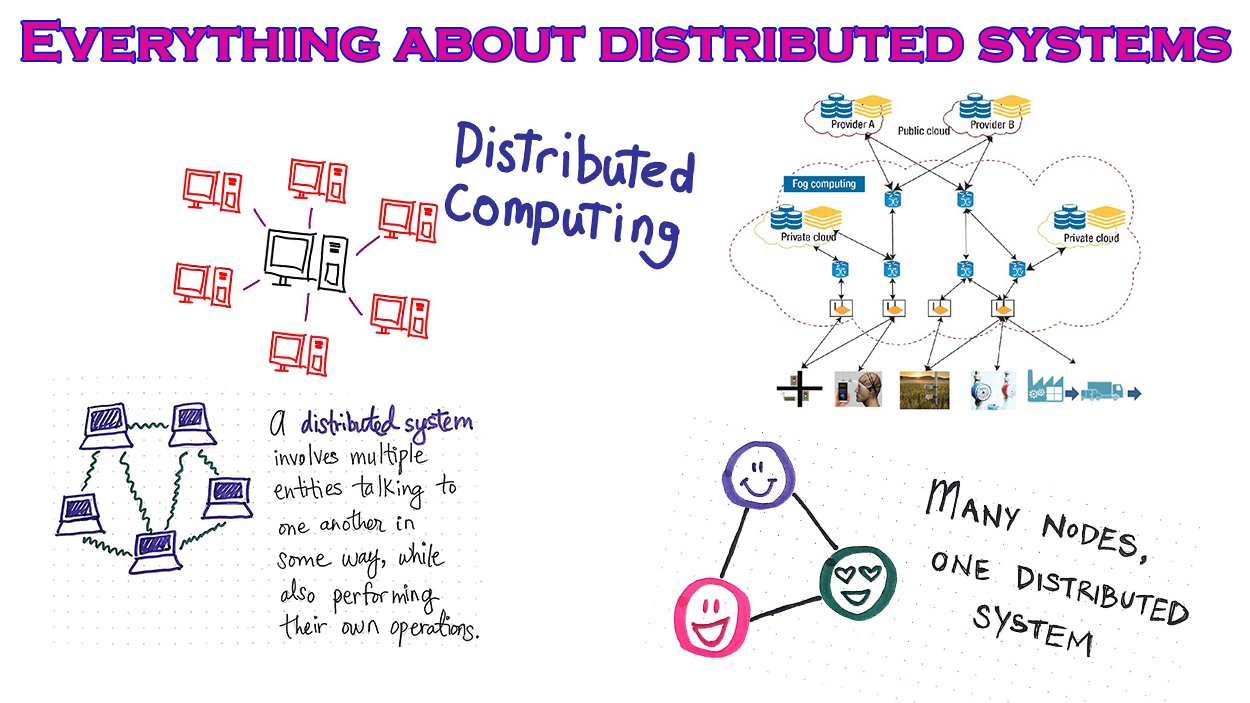
In recent years, large distributed systems have taken a prominent role not just in scientific inquiry, but also in our daily lives. When we perform a search on Google, stream content from Netflix, place an order on Amazon, or catch up on the latest comings-and-goings on Facebook, our seemingly minute requests are processed by complex systems that sometimes include hundreds of thousands of computers, connected by both local and wide area networks. Distributed systems help programmers aggregate the resources of many networked computers to construct highly available and scalable services.
Recent research in the field of Distributed Systems have described several solutions for managing large-scale data and computation. However, building and using these systems poses a number of more fundamental challenges: How do we keep the system operating correctly even when individual machines fail? How do we ensure that all the machines have a consistent view of the system’s state? (and how do we ensure this in the presence of failures?) How can we determine the order of events in a system where we can’t assume a single global clock? Many of these fundamental problems were identified and solved over the course of several decades.
This class provides an overview of influential research that provided the basis of most large-scale, cloud infrastructures today. Students read, review, and discuss papers on important distributed systems topics, including distributed consensus, consistency models and algorithms, service-oriented architectures, large-scale data storage, and distributed transactions, big-data processing frameworks, and distributed systems security.
Dear first year students,
Welcome to the Department of Nursing Science and the first Module of Community Health Nursing Science.
This is one of 4 modules which you will do in the first two years of your Degree.
At the end of this degree, you will be registered by the South African Nursing Council as a community Health Nurse.
Enjoy this module
Dr Jane Kerr
UNIVERSITY OF ZULULAND FACULTY OF SCIENCE AND AGRICULTURE 2020 SEMESTER 2 RE-ASSESSMENT EXAMINATION PAPER
MODULE NAME: FUNDAMENTAL NURSING 1B MODULE CODE: SNFN112 DURATION: 2 HOURS 30 minutes MARKS: 75
EXAMINER: Dr. LINDA NS (UZ) INTERNAL MODERATOR: MRS. NGCOBO NF (UZ)